

Highly processed foods can disrupt microbial balance. Whole, fiber-rich and fermented foods tend to increase diversity – a marker associated with resilience and improved health outcomes.
The Guidelines explicitly warn against highly processed foods with added sugars, refined carbohydrates, and chemical additives – the same dietary patterns often associated with reduced microbiome diversity.
See the new food pyramid here.
Fermented Foods and the “Eat Real Food” Reset
The 2025–2030 Guidelines describe this policy shift as “the most significant reset of federal nutrition policy” and emphasize returning to “real food”.
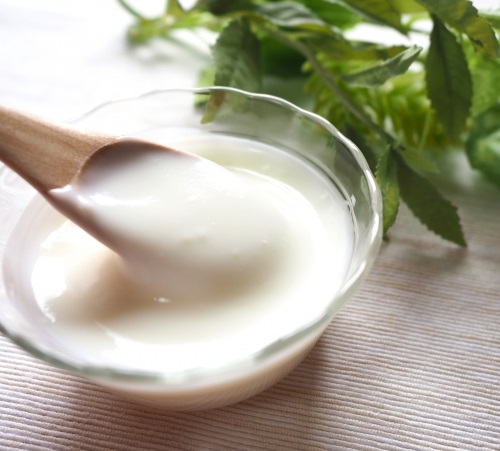
Fermented foods align directly with that framework:
- Traditionally prepared
- Whole-food based
- Naturally preserved
- Supportive of digestive health
- Often lower in added sugars
- Free from artificial additives
This aligns with broader public health concerns outlined in the document, including rising obesity, prediabetes, and diet-related chronic disease.
Beyond Sauerkraut: Broad-Spectrum Fermentation
Most people associate fermented foods with yogurt or kimchi. However, fermentation is a broader biological process that transforms plant materials into bioactive, nutrient-dense compounds.
Research published in journals such as Frontiers in Microbiology and Nutrients highlights that fermentation can:
- Enhance bioavailability of phytonutrients
- Reduce anti-nutritional compounds
- Increase antioxidant activity
- Support gut barrier function
Fermentation is not simply about probiotics. It is about biochemical transformation.
Where Manda Superfood Fits

Manda Superfood is built on a traditional Japanese multi-year fermentation process using dozens of whole botanical ingredients. The fermentation process breaks down plant materials into bioavailable compounds and produces naturally occurring metabolites associated with antioxidant and digestive support.
In the context of the 2025–2030 Dietary Guidelines:
- It supports the emphasis on real, whole-food sourcing.
- It aligns with the recommendation to include fermented foods for microbiome diversity.
- It avoids artificial sweeteners, petroleum-based dyes, and ultra-processed additives – categories explicitly discouraged in the Guidelines.
For individuals seeking to increase fermented food intake but who may not regularly consume kimchi, kefir, or miso, a concentrated fermented botanical supplement can serve as a practical adjunct.
Read more about Manda Superfood and Superdrink here.
No responses yet